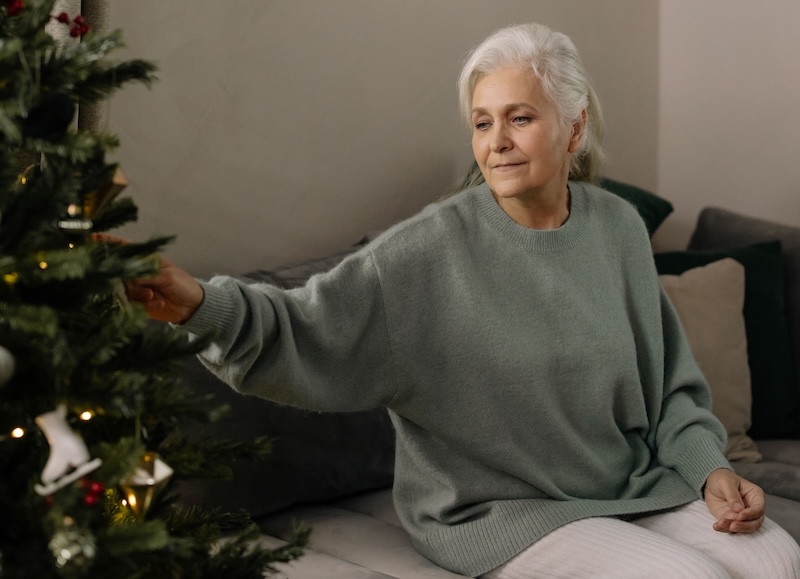
Christmas can be a difficult time for an older person who is spending more time alone. Family gatherings and festive traditions can be lovely reminders of happier times, but they can also highlight the changes that have happened over the years.
Perhaps your loved one has lost their partner, friends have moved away or their health has made it harder to leave the house. They may still want company and the chance to be involved, but no longer have the same opportunities to socialise.
If you are worried about an older relative feeling lonely this Christmas, there are several ways to help. For some families, this may include considering whether a care home could provide the companionship and support their loved one needs.
Why Might an Older Person Feel Lonely at Christmas?
There are many reasons why an older person may experience loneliness. They may live alone or have limited contact with friends and family. Mobility problems can make getting out more difficult, while health conditions can affect their confidence or ability to take part in activities.
Bereavement can also make Christmas particularly emotional. Traditions that were once shared with a partner or other family members can feel very different after someone has passed away.
It is therefore important not to assume that your loved one is looking forward to Christmas simply because it is a festive time of year. Asking how they are feeling and giving them opportunities to talk can be just as important as arranging activities.
How Can You Help an Older Loved One Feel Included?
Small things can help someone feel connected. You could involve your loved one in choosing Christmas decorations, preparing food, writing cards or selecting music. If travelling is difficult, arrange regular phone or video calls with family members so they still feel part of the celebrations.
Try to focus on what they enjoy rather than creating a busy schedule. Someone who finds large family gatherings tiring may prefer a quieter visit with one or two people.
The aim is not to make Christmas perfect. It is to make sure your loved one has opportunities for connection that feel comfortable and meaningful to them during a special period.
What Can You Do If Your Loved One Lives Alone at Christmas?
If your loved one lives alone, think about what their days will look like when family members are busy with their own Christmas plans. A visit can make a difference, but regular companionship throughout the festive period may be more difficult to provide if you live some distance away or have other responsibilities.
Consider whether there are local groups, community activities or befriending services that could help. It may also be worth talking to your loved one about whether they would benefit from more regular care or support.
If loneliness is becoming a regular part of their life rather than something that only happens at Christmas, this may be a sign that their current living arrangements no longer provide enough social contact.
Could Moving Into a Care Home Help With Loneliness?
For some older people, moving into a care home can provide opportunities for companionship that are difficult to achieve when living alone.
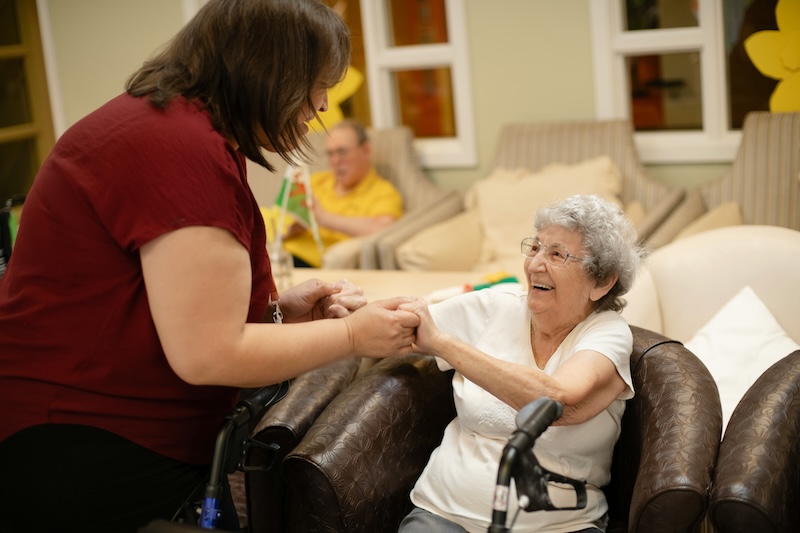
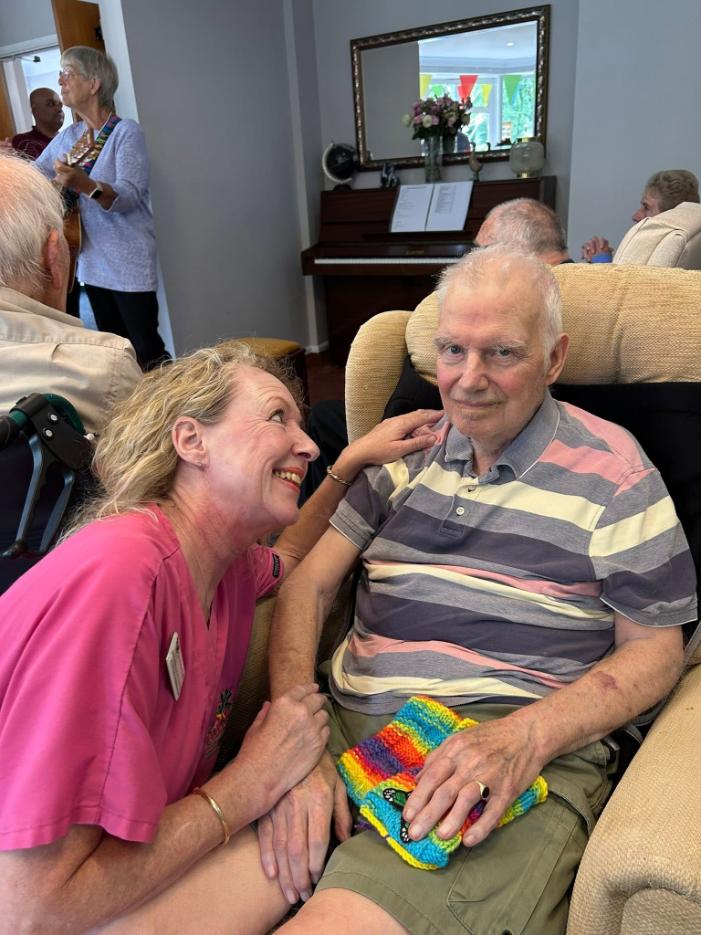
Residents have other people around them during the day and can choose to spend time in communal areas, join activities or share meals with others. Care staff are also available to provide support and friendly conversation. This does not mean that a care home is right for everyone. The decision should consider your loved one's care needs, preferences and circumstances.
However, if your relative is becoming isolated and is also finding it harder to manage independently, residential care may provide both practical support and greater opportunities for social interaction.
What Does Christmas Look Like in a Care Home in Dorset?
Christmas in a care home in Dorset can provide residents with opportunities to enjoy familiar traditions without having to organise everything themselves.
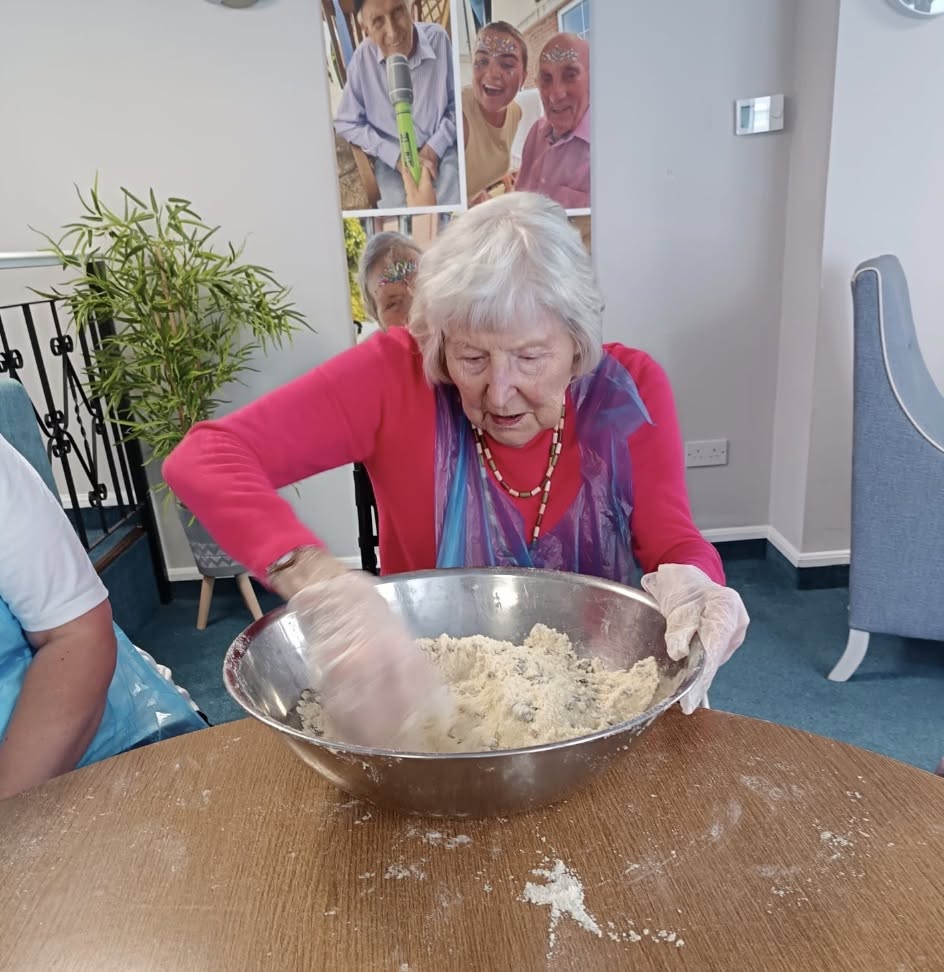
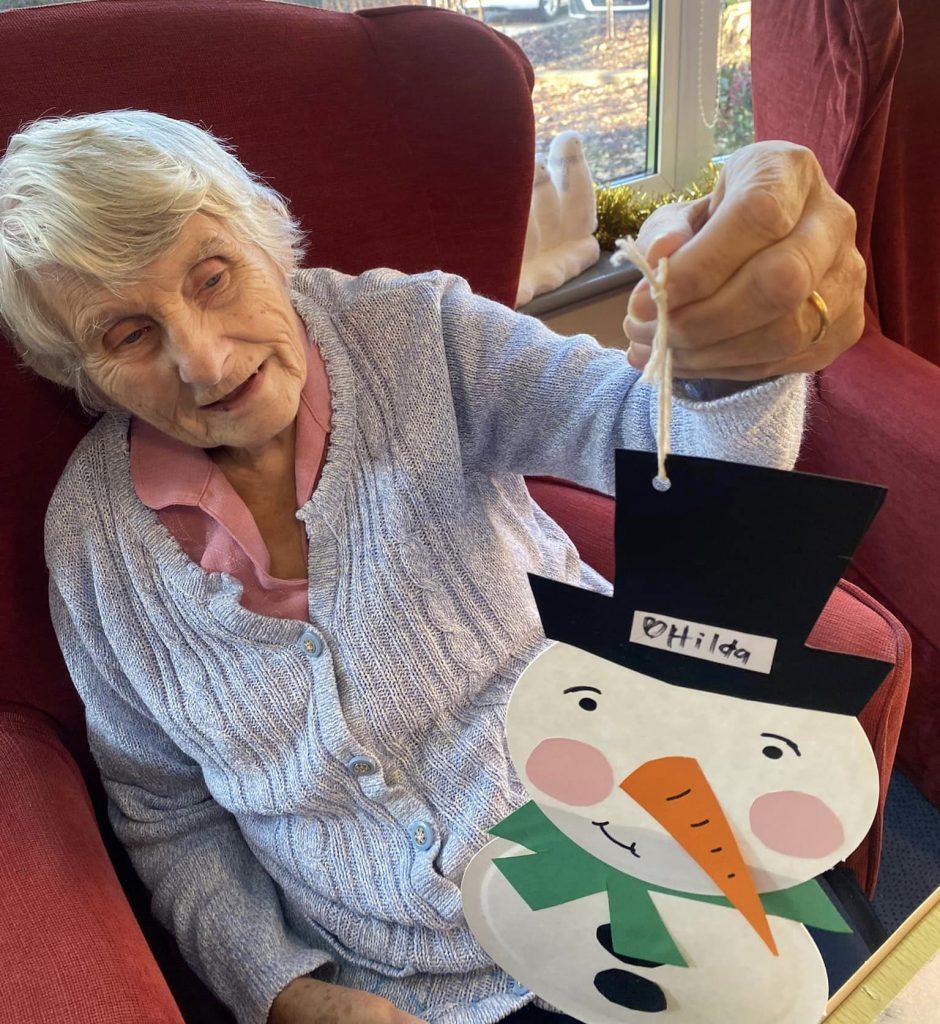
There may be festive meals, decorations, music, crafts, quizzes and entertainment throughout December. Residents can take part in decorating the home or making cards for family members, while shared activities can provide natural opportunities to talk and get to know other people.
Some residents may prefer a quieter Christmas. Being able to choose whether to join a group activity, spend time in a communal area or relax in their own room allows the festive period to be shaped around the individual.
Can Care Home Residents Still Celebrate With Their Families?
Moving into a care home does not mean leaving family traditions behind. Family members can continue to visit and spend meaningful time together. You might bring a favourite Christmas recipe, open presents together or simply watch a film your loved one has always enjoyed.
For families who live further away, calls and video chats can help maintain regular contact. It can also be reassuring for families to know that their loved one has companionship when they cannot be there themselves. Rather than relying solely on occasional visits, there are people around them throughout the day.
How Can Activities Help Older People Feel Less Lonely?
Activities can provide more than entertainment. They create opportunities for conversation, shared interests and a sense of belonging.
This could be something as simple as making Christmas decorations, taking part in a quiz or listening to music. For someone who has always enjoyed gardening, cooking or crafts, continuing these interests can also provide familiarity and a reason to spend time with others.
Activities should not be forced. The most useful programmes offer different options and allow residents to decide how much they want to participate.
What Should You Look For in a Care Home at Christmas?
If you are considering a care home because you are worried about your loved one's loneliness, visit before making a decision.
Spend time looking at how residents interact with each other and with staff. Notice if people are spending time together, if there are communal areas that encourage conversation, and if the activities programme has options for different interests and abilities.
It is also worth asking how families are involved, what happens during Christmas and how the care team supports residents who find the festive period difficult. The atmosphere of the home matters, but so does the approach to individual care. Your loved one should be able to have a Christmas that reflects their personality, preferences and traditions.
Finding Care in Dorset for a Loved One
For families considering a care home in Dorset, choosing somewhere close enough for regular visits can make it easier to maintain family relationships. If you're local to Three Legged Cross in Wimborne, Dorset, Oakdene is trusted by the community to provide high-quality residential care, dementia care, respite care and palliative care.
At Oakdene Care Home, residents can enjoy a range of communal facilities and activities, including arts and crafts, a cinema room, library, dining areas and outdoor spaces. The home also provides opportunities for day trips into the local area, including Avon Valley Country Park or Wimborne’s model village attraction.
The home supports meaning families can discuss their loved one's individual requirements with the care team.
Christmas at Oakdene Care Home
At Oakdene, Christmas is an opportunity to bring residents, families and the wider community together while recognising that everyone experiences the festive period differently. The team takes time to understand residents as individuals, including their interests, routines and preferences.
For someone who has become increasingly isolated at home, a move into care can provide opportunities to meet people, take part in activities and have company throughout the day. If you are concerned about an older loved one's loneliness this Christmas, arrange a visit to Oakdene Care Home to see whether care could provide the support and companionship they need.
Frequently Asked Questions
How can I tell if an older person is lonely?
There is no single sign of loneliness. You may notice that your loved one is withdrawing from activities, seeing fewer people, losing interest in hobbies or talking more often about being alone. It is important to speak to them rather than making assumptions about how they feel.
Is loneliness a good reason to consider a care home?
Loneliness on its own does not necessarily mean someone needs residential care. However, if an older person is regularly isolated and is also struggling with everyday tasks or managing safely at home, it may be worth discussing their care options.
Will my loved one lose their independence if they move into a care home?
A good care home should support residents to remain as independent as possible. This can include allowing them to choose how they spend their time, continue hobbies and maintain their usual routines while receiving help where needed.
Can families spend Christmas with a relative in a care home?
Care homes have their own visiting arrangements, but families are generally encouraged to remain involved in their loved one's life. Ask the home about Christmas visits and whether relatives can join residents for meals or activities.
What if my loved one does not enjoy Christmas?
Not everyone enjoys the festive period, and there is no need to expect residents to take part in every celebration. A care team should recognise individual preferences and provide opportunities for quieter activities, conversation and support when Christmas brings difficult memories.