Why Hydration and Nutrition Are Essential in Care Homes
Eating and drinking well are two of the most important aspects of maintaining health and well-being, particularly for older adults living in care homes. As people age, their dietary needs can change due to factors such as reduced appetite, lower energy levels, or medical conditions that affect digestion and appetite. Ensuring that residents receive good nutrition and hydration is essential to maintaining strength and supporting overall well-being.
Care homes have a vital role in promoting healthy eating habits and providing balanced diets that meet each resident’s nutritional and hydration needs. In this blog, we will explain the importance of good nutrition and hydration as well as how it impacts well-being.
The Importance of Hydration
Adequate hydration keeps the body functioning efficiently by supporting digestion, temperature control and circulation. For older people, drinking enough fluids is particularly important as the feeling of thirst becomes less pronounced with age and increases the risk of dehydration.
Dehydration can have several side effects, leading to fatigue, confusion, urinary tract infections and other health risks. For this reason, care home staff closely monitor residents’ fluid intake and encourage regular drinking throughout the day. Drinks such as water, tea, fruit juice and milk all contribute to hydration care. Hydration is also supported through foods with high water content, such as soups, fruit and vegetables, particularly for residents who find it challenging to drink large amounts of fluids at once.
Supporting hydration in a care home environment involves providing fluids regularly in ways that are accessible and enjoyable. Drinks are often offered alongside meals and social activities to create natural moments that encourage drinking. Each resident’s personal preferences are taken into account, which ensures hydration routines feel comfortable and familiar.
Understanding Why Care Home Nutrition Matters
Nutrition is equally vital to health and well-being. Good nutrition supports physical strength, energy and mental health while reducing the risk of chronic diseases or high blood pressure. Care homes develop strategies in line with their individual needs to ensure every resident receives the right nutrients. This includes offering balanced meals that provide carbohydrates, protein, healthy fats, vitamins and minerals from a variety of different ingredients.
A balanced diet gives residents the energy to stay active while supporting immune function and bone health. Without good nutrition, older adults may be more vulnerable to frailty, muscle weakness, or slower recovery from illness. Malnutrition, even in mild forms, can have serious impacts on elderly people's health, including weight loss, confusion and reduced mobility. For residents who experience difficulty chewing or swallowing, the texture of food can be adapted while still providing the necessary nutrients.
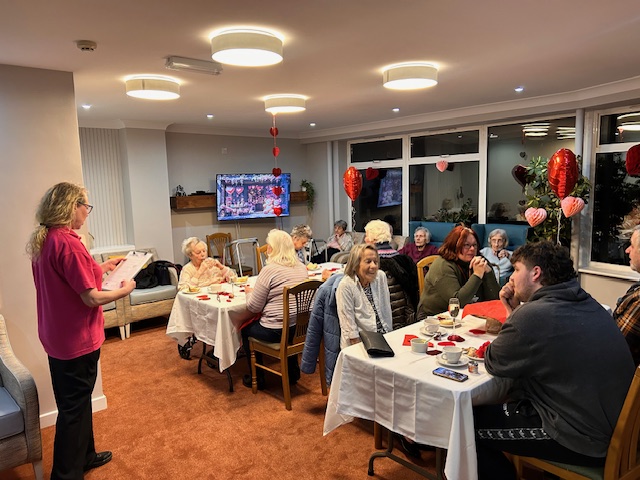
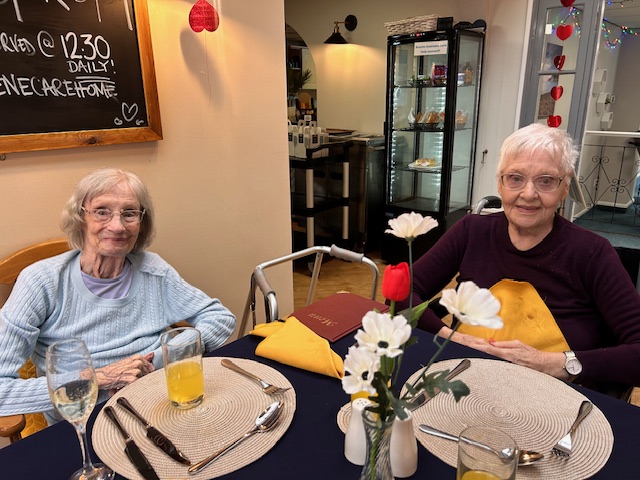
Ensuring nutritional meals are both appealing and nourishing is a key part of the kitchen team's role within a care home. Dining rooms are designed to create relaxed and sociable environments where meals become moments of enjoyment and promote positive associations with eating.


The Connection Between a Balanced Diet and Mental Well-Being
Good nutrition and hydration are not only linked to physical health but also deeply connected to mental well-being and mood. Eating and drinking regularly provide energy for the brain and help stabilise emotions and concentration, while a lack of nutrition and dehydration can lead to fatigue and irritability, which may affect overall happiness.
Residents who maintain a healthy diet with adequate hydration often experience improved mental clarity and mood. Food and drink also bring pleasure and routine to everyday life by stimulating memories of familiar meals and social moments. For residents living with dementia or other cognitive conditions, structured mealtimes with compassionate support can bring them comfort and reassurance.
Care home staff understand the connection between emotional health and nutrition. They make mealtimes special for all, creating opportunities for social connection that promote mental health and physical nourishment.
Managing Nutrition and Hydration Needs in a Care Home
Care homes play an active role in managing each resident’s hydration and nutritional needs through person-centred care planning. Before someone moves in, they receive a nutritional assessment which helps identify their specific requirements and preferences. Factors such as allergies, medical conditions and cultural or dietary preferences are all taken into consideration.
Through careful observation, staff can spot early signs of poor nutrition or hydration issues, such as changes in appetite, weight loss, or fatigue. In these cases, interventions are introduced quickly. This might involve nutritional supplements to boost dietary intake, or additional support to make eating and drinking easier and more enjoyable.
For residents with reduced mental capacity, care plans may include guidance from speech and language therapists or dietitians. Collaboration between healthcare professionals, kitchen teams and care staff ensures meals are tailored to each individual's needs while maintaining flavour and variety.
Supporting Residents with Difficulty Eating or Drinking
Some residents may experience challenges such as difficulty chewing or swallowing, which can make mealtimes difficult for them. In these cases, care homes will adapt their meal texture and consistency to support safe eating. Soft or pureed diets can still be highly nutritious and appetising when prepared with care.
Encouraging independence at mealtimes also helps residents maintain confidence. Staff may provide support discreetly, offering gentle prompts or physical assistance, but allow residents to continue enjoying meals at their own pace. Creating a positive mealtime atmosphere, free from rushed routines, helps residents feel comfortable and respected.
Hydration support follows a similar principle. Staff actively monitor drinking habits and adapt their approach to help encourage more fluids safely throughout the day. This might include offering drinks in smaller amounts more frequently, providing cups that are easy to handle, or offering residents their favourite drinks, such as decaffeinated tea, herbal drinks, or milkshakes.
The Role of Care Home Staff in Promoting Nutritional Health
Care home staff have an essential role in promoting good nutrition and hydration. They understand that every resident’s relationship with food and drink is unique and are trained to recognise changes in mood, appetite, or physical condition that might suggest malnutrition and can respond with sensitivity and care.
They also take the time to learn residents’ favourite meals and flavours, as this can encourage them to eat different foods regularly and maintain familiarity. Meals served in relaxed, homely environments support dignity and contribute to improving overall wellbeing.



Supporting Nutrition and Hydration at Oakdene Care Home
At Oakdene Care Home in Verwood, we understand that good nutrition and hydration are central to maintaining a high quality of life. Our dedicated kitchen team provide wholesome, nutritious meals tailored to the health conditions and preferences of every resident. We are proud to create relaxed, enjoyable mealtime experiences that encourage social connection and promote mental wellbeing.
Through careful monitoring and collaboration with healthcare professionals, we ensure residents receive the right care to prevent dehydration or malnutrition. At Oakdene, our holistic approach to care considers each resident beyond their health needs, which enables them to thrive and enjoy life in a nurturing environment.
Whether residents receive residential care, dementia care, respite care or palliative care, they can rest assured that they can continue to enjoy their favourite meals on a regular basis at our care home in Verwood. We also understand that not everyone prefers to eat 3 full meals a day, so we provide areas for grazing throughout the day.
To learn more about the dining experience we provide to our residents or any of our first-class care services, get in touch and book a tour. We would love to show you what makes Oakdene so special.