Caring for a loved one living with dementia is an emotional journey that often becomes more challenging as the condition progresses. Families want to provide the very best support, but at a certain point, home care may no longer meet the increasing safety, medical, and well-being requirements that dementia brings. Understanding when to consider a move into a specialist dementia care home is not always straightforward, yet making an informed choice can transform quality of life for both the individual and their family.
At Oakdene Care Home in Three Legged Cross, near Wimborne Minster, we support families at every stage of this process. With up-to-date dementia care practices, a safe environment, and a compassionate team, our aim is to help families recognise the signs that additional support might be needed and provide confidence in taking the next step.
This extended guide explores the key indicators that a move may be beneficial, why safety and wellbeing are central to the decision, the benefits of specialised dementia care, and how Oakdene partners with families throughout the journey.

Understanding the Signs: When Might a Move Be Needed?
Dementia affects everyone differently, so there is no single moment at which a move becomes essential. Instead, it is often a combination of changes that suggest home care may no longer be sustainable.
Growing Safety Risks in the Home
One of the clearest signs is a noticeable rise in unsafe behaviours at home. These may include:
- wandering outside alone
- becoming confused about water, heat, or appliances
- forgetting to lock doors
- leaving taps running
- struggling to recognise hazardous situations
At Oakdene, secure walkways, monitored doors, and constant staff presence allow residents to move freely and comfortably while reducing risk. For families who worry about accidents or night-time wandering, this can offer significant peace of mind.
Daily Tasks Becoming Unmanageable
Many family caregivers reach a point where supporting daily living tasks becomes overwhelming. This can include challenges with things such as washing, bathing, and dressing.
These tasks can demand increasing time, physical effort, and emotional energy. In a dementia care home, trained staff provide calm, dignified support and ensure routines remain consistent, reducing anxiety and confusion for the person living with dementia.
Complex Emotional or Behavioural Changes
As dementia advances, individuals may experience:
- agitation
- restlessness
- withdrawn behaviour
- distress during personal care
- repetitive questioning
- aggression resulting from confusion or fear
These behaviours can place strain on relationships and may be difficult for families to manage alone. Dementia-trained professionals at Oakdene understand these behaviours, recognise triggers early, and use gentle techniques to help residents feel calm and supported.
Declining Hygiene or Increased Susceptibility to Illness
Some individuals struggle with handwashing, bathing, or general cleanliness, not through choice, but because dementia affects memory and routine. Over time, this can increase the risk of infections. In a care home setting, hygiene support is offered consistently throughout the day, helping to limit germ spreading and protect health.
Social Isolation and Reduced Stimulation
Loneliness can have a significant impact on individuals living with dementia. A lack of meaningful interaction can accelerate cognitive decline and increase distress. In a care home, residents benefit from social contact, regular activities, and structured routines that support mental and emotional wellbeing.
Carer Burnout or Declining Family Wellbeing
Family caregivers often go far beyond their limits before seeking support. Lack of sleep, emotional strain, and the constant responsibility of providing dementia care can affect health and quality of life. Moving to a specialist home allows families to return to being relatives rather than full-time carers, restoring relationships and reducing stress.


Why Safety, Comfort and Wellbeing Matter Most
Making the decision to move a loved one into a care home is deeply personal. Families understandably want reassurance that their loved one will be safe, respected, and comfortable.
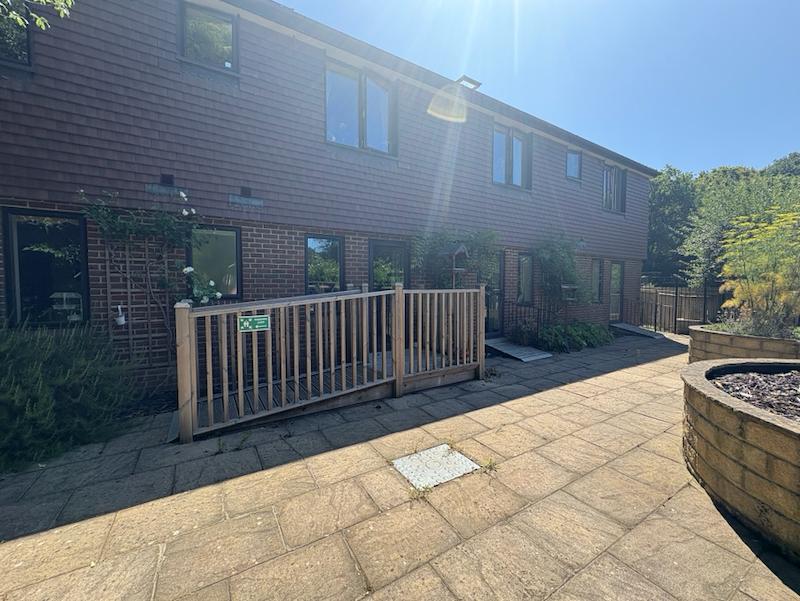
Oakdene Care Home is purpose-built to provide a safe and calming environment for people living with dementia. This includes:
- clear, accessible layout
- dementia friendly design and signage
- secure doors and outdoor spaces
- sensory areas to reduce agitation
- trained staff available at all times
Small details matter. From lighting that reduces confusion to furniture arranged to support safe movement, every element of the environment is designed with dementia care in mind.
Alongside safety, the focus is on promoting wellbeing. This combines physical health monitoring, social connection, emotional support, meaningful engagement, and confidence-building routines.
Tailored Dementia Care at Oakdene
Every resident at Oakdene receives a personalised care plan based on their history, interests, medical needs, and personal preferences. This approach ensures each individual is supported in a way that reflects who they are.
Our dementia care includes:
- meaningful activities and sensory stimulation
- outdoor time in secure garden areas
- cognitive engagement sessions
- personalised reminiscence work
- gentle, light exercise to support mobility
- music, arts, crafts, baking, and relaxation sessions
- consistent staff who build trust and familiarity
These activities are not simply entertainment. They are chosen to help residents feel safe, reduce anxiety, maintain cognitive abilities, and enjoy daily life.
How Oakdene Supports Families Throughout the Journey
Families are central to the care process. At Oakdene, we prioritise communication and encourage relatives to stay involved through:
- regular updates and care reviews
- open visiting
- support and guidance from our care team
- involvement in decision making
- reassurance during the settling-in period
We recognise that the emotional impact of moving a loved one into care can be significant. Our team is here to support families with understanding, information, and kindness every step of the way.

Taking the Next Step With Confidence
There is no perfect moment to make the move into dementia care, but there is a right moment for each individual. When safety becomes difficult to manage at home, when care needs become more complex, or when families feel overwhelmed by the responsibility, specialist care can provide a safer, calmer, and more fulfilling daily life.
Oakdene Care Home in Three Legged Cross is dedicated to offering compassionate, personalised dementia care in a warm and welcoming setting. For families, our home provides reassurance that their loved one will be cared for by experienced professionals who understand their needs and treat them with dignity and respect.
Get in touch with our warm and supportive team to discuss your loved one’s needs and book a visit to see Oakdene Care Home for yourself.
This blog post was updated on Monday 1st December 2025.