
Caring for an older loved one is one of the most meaningful roles a person can take on. It is an act of loyalty, compassion, and deep commitment, but it is also a responsibility that can easily become overwhelming without the right support in place. Respite care exists to provide families with a safe and reassuring way to take a break, restore balance, and maintain their own wellbeing, while ensuring their loved one continues to receive attentive and personalised care.
Many families turn to respite care during periods of intensive caregiving, or when work, personal commitments, or health concerns make it difficult to sustain the usual routine. Others simply need time to rest, recover, or reconnect with their own lives. Whatever the reason, respite care offers a vital opportunity to pause and breathe, making the long journey of caregiving more sustainable and far less isolating.

Understanding the Strain of Being a Caregiver
Supporting a loved one who is ageing or living with an illness can be emotionally and physically draining. The daily worry, the constant responsibility, and the emotional weight of watching someone decline can leave even the most devoted caregiver feeling worn down. Many people find themselves juggling personal commitments, work, family, and their caring duties, often sacrificing sleep, social time, and their own health in the process.
The physical side of caregiving can also take its toll. Helping with mobility, bathing, dressing, or medication management is demanding, especially when done day after day without a break. Over time, this level of pressure can lead to exhaustion, strained muscles, and heightened stress, making it harder to continue delivering care safely and confidently.


Social isolation is another challenge that creeps in quietly. As responsibilities increase, hobbies, friendships, and personal routines tend to slip away. It is common for caregivers to feel detached from their own lives, and this lack of connection can amplify feelings of loneliness.
These pressures highlight why respite care is such an important resource. It creates space for caregivers to step back, recharge, and return to their role feeling stronger and more supported.
How Respite Care Helps Families Thrive
Respite care brings immense relief by giving caregivers a chance to reset. Even a short stay can significantly reduce stress and prevent burnout, restoring energy levels and improving mental clarity. Families often use this time to catch up on rest, manage personal appointments, enjoy social time, or simply relax without the constant need to be on alert.
Looking after personal wellbeing is an essential part of being an effective caregiver. Respite stays provide the breathing room needed to focus on physical health, enjoy proper sleep, and rebuild emotional strength. With renewed energy, caregivers are usually able to return feeling more patient, calm, and connected to their loved one.
There is also a big emotional benefit. A short break gives caregivers the chance to reconnect with other family members, enjoy time with friends, or revisit hobbies that help bring balance back into life. This can reduce feelings of guilt or frustration and help restore a more positive mindset, which is invaluable when caring for someone long term.
A Refreshing and Supportive Experience for Older Adults
Although respite care is often arranged to support the caregiver, it also offers genuine benefits for the person receiving care. A temporary stay in a welcoming and homely environment can feel refreshing, offering new surroundings, new people, and plenty of meaningful interaction.
Many older adults enjoy the chance to socialise with others, take part in calming or stimulating activities, and be part of a friendly community. Engaging with peers, sharing meals, and joining group activities can boost mood, reduce loneliness, and create a sense of belonging. This supported social time is especially valuable for individuals who may not have many opportunities to socialise at home.


Respite care also provides reassurance for families, as loved ones receive tailored support throughout their stay. Teams assist with daily tasks, personal care, medication management, and anything else needed to ensure comfort and safety. This level of professional care allows family members to take their break with confidence, knowing their loved one is in experienced and compassionate hands.
For families who are considering long-term care but are unsure about taking the next step, respite care can act as a gentle introduction. A short stay provides a realistic glimpse into daily life in a care home, helping older adults experience the routines, activities, and sense of community first hand. This trial approach often helps ease uncertainty and supports more confident decision making.
Respite Care at Oakdene Care Home
At Oakdene Care Home in Wimborne Minster, respite care is shaped around the needs of each family. Stays can be arranged for short periods or longer breaks, providing flexibility when it is needed most. The home offers comfortable living spaces, beautifully maintained gardens, and a warm atmosphere that helps guests settle in quickly.


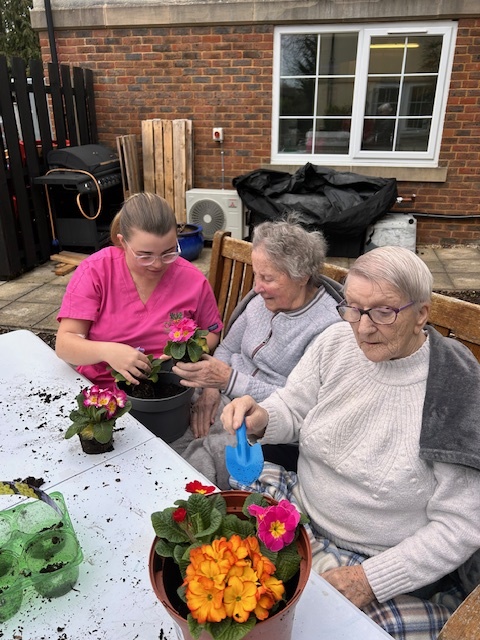
The activities programme also plays a big role in making respite stays enjoyable and enriching. From gentle exercise sessions to social clubs, games, crafts, and outdoor time, there is always something to help residents feel engaged, relaxed, and supported throughout their visit.
If you would like to talk about arranging a respite stay or explore how the service could support your family, the team at Oakdene is always happy to help. You are welcome to get in touch and arrange a visit to see the home for yourself.
This blog post was updated on Monday, 1st December 2025.